

First Quarter (1/1/20-3/31/20)
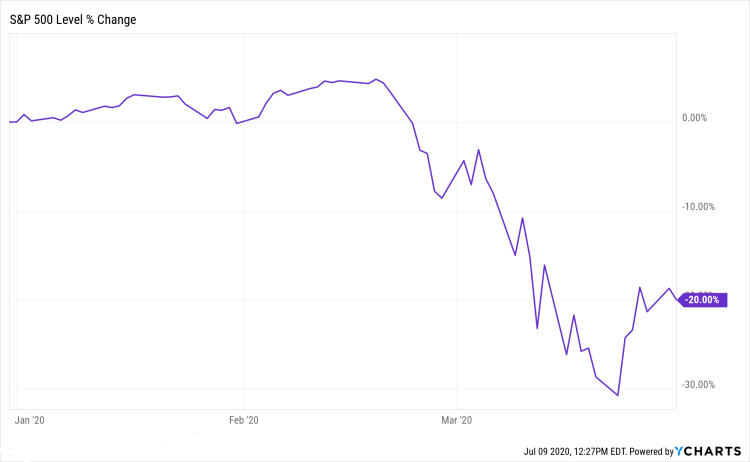
As you can see from the chart below, the first few weeks of the year started out with a bang. Depending upon which major index you were looking at, stocks moved higher anywhere from 4-10% throughout the first 6 weeks. Then the damage began.. In what now holds the record for the worst first quarter of market performance in the history of the stock market we ended Q1. Soon, we would enter the first recession since the financial crisis of 2007-2009.
Second Quarter (4/1/20-6/30/20)
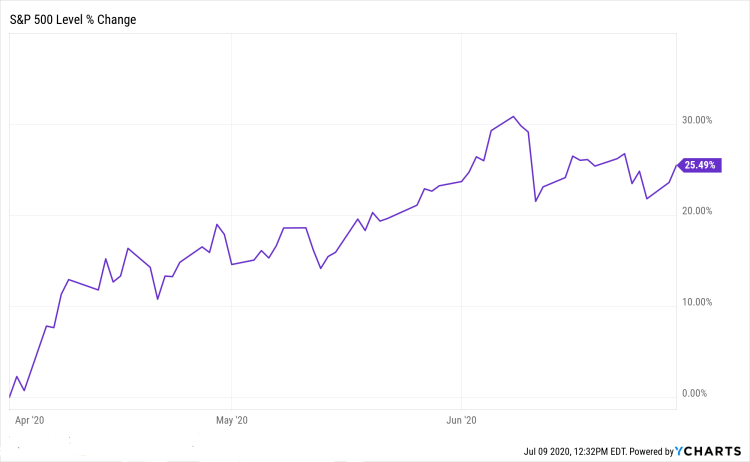
Turn the page to Q2.....wow what a difference a couple of months makes. Federal stimulus, stocks return to prices from 2015, a falling mortality rate, and you had an almost the exact opposite reaction in stocks from the first quarter. Looking at a performance perspective, it was the best quarter since 1998!
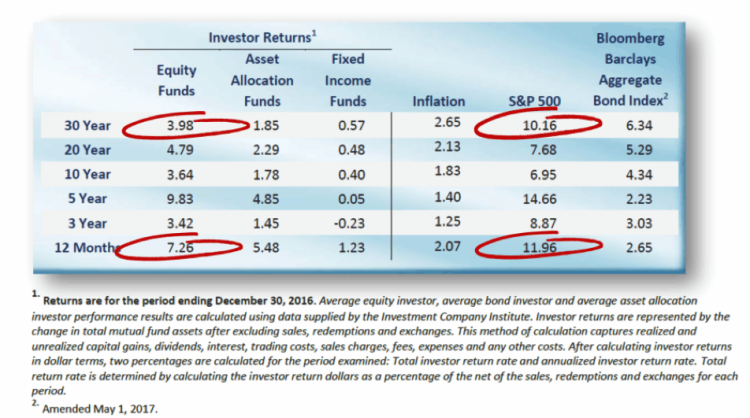
Where does this leave us… First (and most importantly) We are asking clients to do their best to not look at CNBC, CNN, Fox, and other media that may tell you “this time is different” in the market. Sadly, this is a recurrent teaching moment as the media is pretty much always not aligned with investors best interests. Their phrases are typically coined in the investment community as the “investors famous last words.” Letting media/emotion drive your investment decisions almost always lead to under performance. For a concrete verification, below, is a study done by realinvestmentadvice.com, which compares index returns vs the individual investor over different periods of time. What you’ll notice is the individual investor underperforms the index by a considerable margin in each and every time frame. Dalbar, which is a leading investment research firm suggests that at least 50% of this underperformance is simply due to individual’s investors psychology. In laymen’s terms, buying and selling at inopportune times due to emotion (often fueled by the media).
What does this all mean… Investing is a long-term process. It’s not for the faint of heart and is not helped by daily emotions. In later writings, we will dig into this in more detail but for now, go with us on the thesis. In closing, stay consistent, stick to your asset allocation, try not to be emotional when it comes to your portfolio. Focus instead on control of the controllables with your financial plan. As always don’t hesitate to reach out if you need anything at all.